Cathedral of San Leoluca
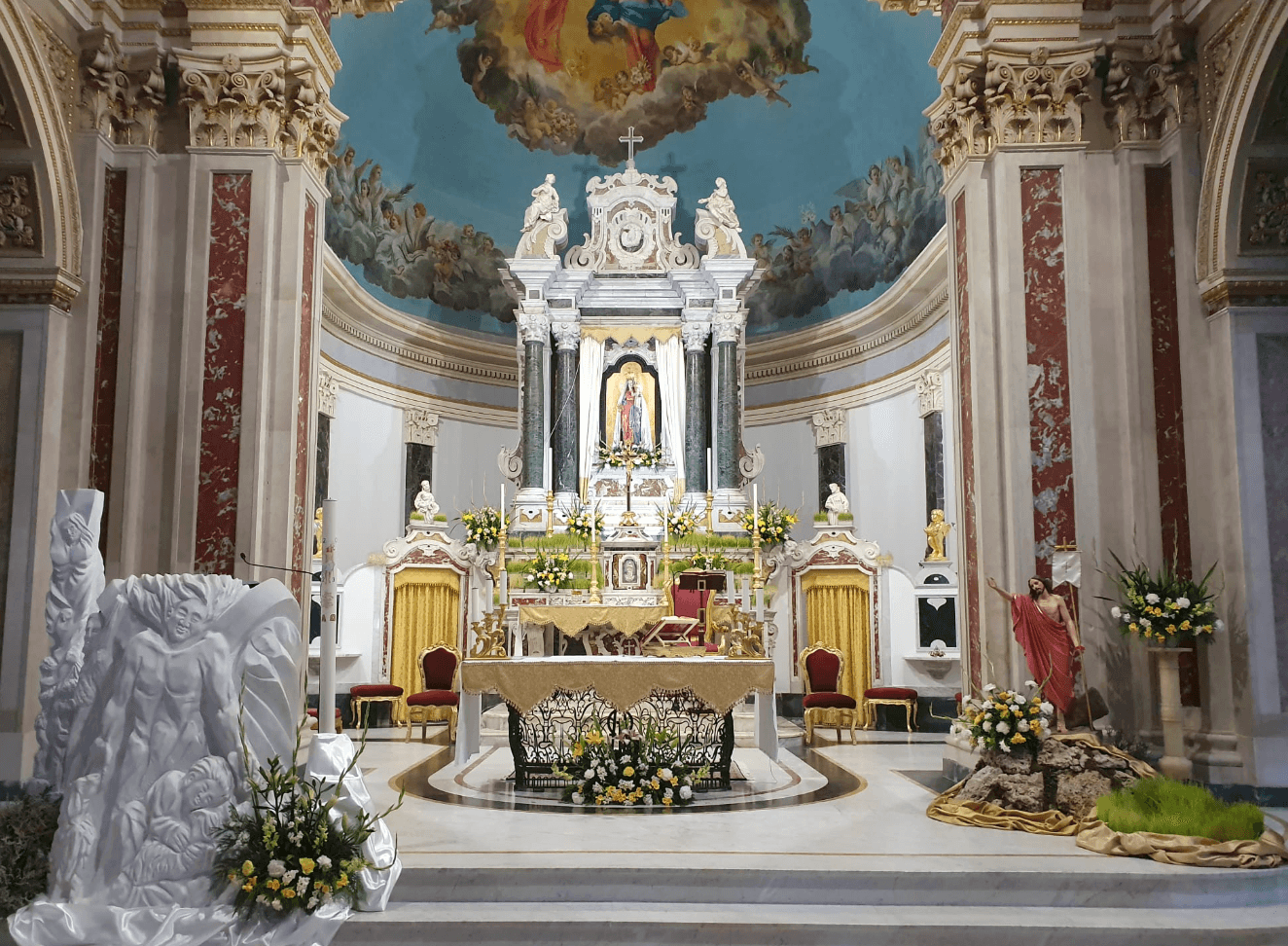
The Cathedral of Vibo Valentia combines history, art and devotion: it preserves prestigious works including a Renaissance triptych by Gagini, an eighteenth-century polychrome marble high altar and Baroque stucco work.
Vibo Valentia
Description
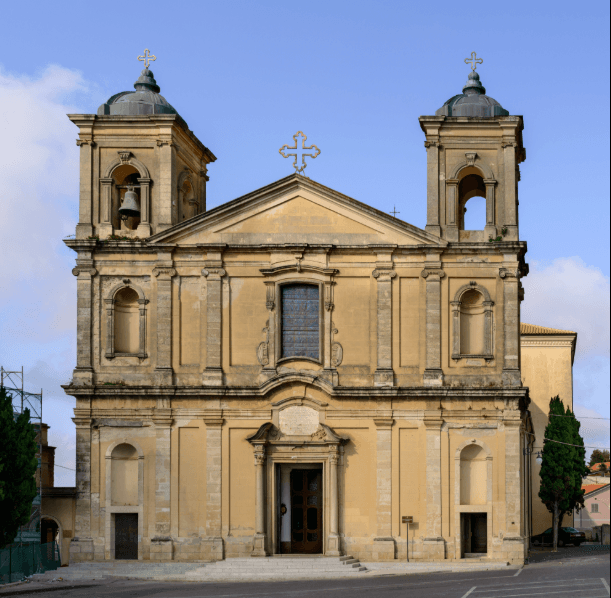
The Cathedral of Santa Maria Maggiore e San Leoluca is the main church of Vibo Valentia and one of the most representative buildings of its history. Built between the end of the seventeenth century and the beginning of the eighteenth on the remains of an earlier Byzantine basilica, the building reflects the city's religious and urban evolution. The Baroque façade, flanked by two twin bell towers, leads into a Latin-cross interior with a single nave and side chapels, enriched by decorative elements from different periods. The artistic value of the cathedral is evidenced by the Renaissance marble triptych by Antonello Gagini, datable between 1523 and 1524, considered one of the most important sculptural works in the city. Also of particular note is the eighteenth-century polychrome marble high altar, dominated by the statue of the Madonna della Neve, together with stuccoes and frescoes made between the eighteenth and nineteenth centuries. The cathedral also houses the relics of San Leoluca, patron saint of Vibo Valentia, the central element of the city's devotion and main religious celebrations.
Where to find it
Piazza S. Leoluca
Vibo Valentia
Gallery
Points with a plaque
Every marked point has its own plaque with a QR code. You choose where to go next: from here you can reach any other point, in any order.
You might also like